
 Jane
Jane
Fashion has always been about innovation, creativity, and pushing boundaries. In recent years, the digital revolution has transformed how trends emerge, how designers create, and how consumers interact with style. The latest disruption is AI-generated fashion, a phenomenon that is moving faster than anyone anticipated. These artificially created looks are not only influencing social media feeds, but they are also starting to shape the broader fashion industry. From high-end design studios to TikTok and Instagram feeds, AI-generated fashion is capturing attention and sparking debates about creativity, authenticity, and the future of style.
The Rise of AI in Fashion
Artificial intelligence has been quietly infiltrating fashion for years. Initially, AI was applied to supply chain optimization, trend forecasting, and even personalized shopping recommendations. Retailers began using algorithms to predict what items would sell and to manage inventory efficiently. AI tools helped brands understand consumer preferences at a level of granularity previously impossible.
Today, the focus has shifted from backend operations to the creative front. AI can generate fully imagined fashion looks, blending colors, textures, and silhouettes in ways human designers might not envision. Platforms like DALL-E, MidJourney, and Runway ML allow designers, influencers, and everyday creators to input prompts such as “futuristic evening gown with neon accents” or “1920s-inspired streetwear outfit” and receive fully realized images in minutes. These images are highly shareable, and social media algorithms quickly amplify them, turning AI-generated fashion into viral content.
Why AI-Generated Fashion Looks Go Viral
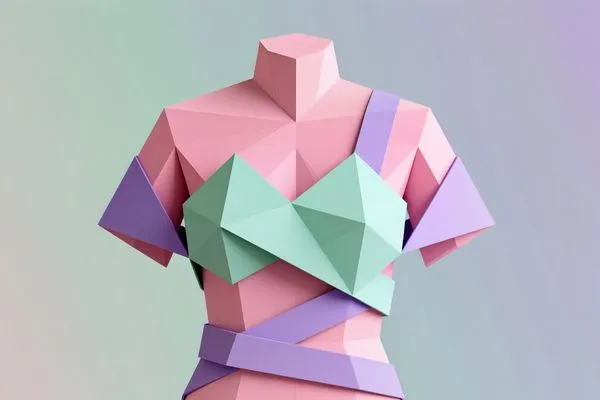
Several factors contribute to the virality of AI-generated fashion. One is novelty. Audiences are naturally drawn to visuals that feel futuristic or surreal. When an AI-generated dress or outfit defies traditional construction or mixes eras in unexpected ways, it grabs attention immediately.
Another factor is accessibility. Anyone with a computer or smartphone can generate a fashion look. Designers no longer need months of development or access to expensive materials to test a concept visually. This democratization of creativity means more ideas enter the public eye, and more opportunities for viral moments arise.
Social media platforms also play a significant role. On TikTok, Instagram, and Pinterest, visually striking content is rewarded with reach. AI-generated fashion looks, which often feature surreal textures, impossible color combinations, or imaginative settings, perform exceptionally well because they stand out in crowded feeds.
Finally, the cultural fascination with AI itself contributes to virality. Audiences are curious about the capabilities of artificial intelligence and enjoy seeing it applied to human-centered fields like fashion. The combination of novelty, creativity, and technological intrigue makes AI-generated fashion highly shareable.
Examples of AI-Generated Fashion Going Viral
Several recent examples illustrate how AI-generated fashion has captured the online imagination.
Virtual Haute Couture
High fashion brands are experimenting with fully AI-generated runway looks. A digital dress collection by a European design studio gained traction after being posted on Instagram. The outfits combined classic couture silhouettes with exaggerated textures and metallic finishes that would be impossible to fabricate in reality. Fashion enthusiasts and journalists praised the collection not just for its beauty, but for its ability to push the boundaries of what fashion could be. The collection was shared widely, inspiring fan-generated recreations and discussions about AI’s creative potential.
AI Influencer Wardrobes
Some social media influencers are experimenting with AI-generated outfits for their profiles. Instead of posting themselves wearing physical clothing, they showcase AI-created ensembles on virtual avatars. These posts often attract millions of views. For example, a TikTok creator specializing in futuristic fashion AI experiments received over a million views in a week after posting a series of AI-generated cyberpunk streetwear looks. Fans commented on the originality of the designs and speculated on how such aesthetics could influence real-world fashion.
Viral Trend Mashups
AI also enables trend mashups that would be difficult or time-consuming to create by hand. By combining multiple fashion eras or styles in one image, AI generates a visual statement that appeals to a wide audience. One viral example featured a 1980s power suit fused with contemporary streetwear sneakers and neon accessories. The resulting look went viral on Twitter and Instagram, inspiring fashion bloggers to discuss how retro and modern styles could merge in real-world collections.
Fashion Meets Pop Culture
AI-generated fashion also intersects with pop culture in intriguing ways. Fans have generated looks inspired by characters from movies, video games, or anime, then reimagined those looks as wearable fashion. A recent AI-generated series featured iconic video game characters in haute couture gowns. These images circulated on Reddit and Pinterest, garnering thousands of comments and shares, demonstrating how AI can bridge fandom and fashion innovation.
How Brands Are Responding
Brands are increasingly paying attention to AI-generated fashion, seeing both opportunities and challenges.
Some high-end fashion houses view AI as a tool to explore conceptual designs before investing in physical production. By generating virtual prototypes, designers can test color palettes, silhouette shapes, and material combinations without the cost of fabric and labor. This approach not only saves resources but also speeds up the creative cycle.
Streetwear and fast fashion brands are leveraging AI to spot emerging trends faster. By generating numerous visual variations of a trend, brands can identify which styles resonate most with audiences. Some use AI images in social media marketing campaigns, blurring the line between real and virtual fashion.
Retailers and e-commerce platforms are exploring AI-generated fashion for personalized experiences. Customers can visualize how an outfit might look on a model or avatar before making a purchase. While not fully viral content, this application is changing how consumers engage with fashion online and could influence social sharing in the future.
The Role of Social Media
Social media platforms are critical in amplifying AI-generated fashion. The algorithms reward content that captures attention quickly, and AI-generated visuals are highly optimized for this. Surreal textures, bold color contrasts, and unexpected combinations make posts more likely to be liked, commented on, and shared.
TikTok, in particular, has been a hotspot for viral AI-generated fashion. Short-form video allows creators to animate AI looks, creating a dynamic viewing experience. Influencers often combine AI-generated fashion with music, transitions, and editing effects to make the content even more engaging. Instagram and Pinterest serve as platforms for showcasing still images, creating mood boards, and inspiring design discussions.
Engagement also feeds virality. Users often remix AI-generated looks, comment on their creativity, or share them with friends. Memes and challenges featuring AI-generated fashion emerge quickly, extending the life of these trends and amplifying their reach.
Ethical and Creative Considerations
While AI-generated fashion is exciting, it raises important ethical and creative questions. One concern is originality. If multiple creators use the same AI tools, outputs may become repetitive. Critics argue that without human input, AI-generated fashion lacks the intentionality and cultural context of traditional design.
Copyright and intellectual property also present challenges. AI-generated looks often derive inspiration from existing images and datasets, raising questions about ownership. Brands and creators need clear policies to ensure that AI-generated content respects creative rights.
Another concern is accessibility. AI-generated fashion may highlight trends that are unattainable for most people in real life. Outfits with impossible materials, exaggerated proportions, or fantastical elements are visually striking, but they may be purely aspirational, creating a gap between digital fantasy and physical reality.
Despite these concerns, AI-generated fashion also opens doors for experimentation. Emerging designers with limited budgets can create portfolio-worthy looks, test concepts quickly, and gain online visibility. It encourages creative risk-taking and may inspire real-world collections that blend digital imagination with physical craftsmanship.
The Impact on Fashion Trends
AI-generated fashion is not just a novelty; it has the potential to influence mainstream trends. Viral AI often inspires tangible fashion pieces. When a specific color combination, silhouette, or style goes viral online, designers and brands take notice. They may adapt these digital trends for real-world production, creating a feedback loop between virtual content and physical fashion.
The trend-setting potential of AI extends beyond aesthetics. By analyzing which AI-generated looks perform best on social media, brands gain insights into consumer preferences and emerging cultural interests. This allows designers to anticipate shifts in style, experiment with riskier ideas, and remain culturally relevant.
How Consumers Can Engage
For consumers and fashion enthusiasts, engaging with AI-generated fashion can be both fun and inspirational. Social media offers endless examples to explore and remix. Followers can learn about emerging aesthetics, combine styles, and even collaborate with creators on virtual fashion projects.
Some apps and platforms allow users to create their own AI fashion looks with simple prompts. Experimenting with color, texture, and style can expand personal creativity and provide new ways to interact with fashion beyond traditional shopping.
Consumers can also use AI-generated fashion to imagine sustainable alternatives. Virtual wardrobes can minimize the need for excessive clothing purchases while allowing experimentation with diverse styles. This trend aligns with growing interest in ethical and environmentally conscious fashion.
The Future of AI-Generated Fashion
The future of AI-generated fashion is likely to be a blend of digital and physical experiences. Virtual fashion shows, digital-only clothing collections, and AI-assisted design tools are all on the rise. Social media will continue to amplify visually striking AI content, shaping both online and real-world fashion landscapes.
Collaborations between AI tools and human designers are expected to become more common. By combining human intuition with computational creativity, designers can push boundaries while maintaining cultural relevance and emotional resonance. AI may also help create adaptive fashion experiences, where garments or accessories change based on user input, mood, or environment.
Finally, as more creators and brands experiment with AI-generated fashion, ethical frameworks and best practices will likely evolve. Transparency about AI’s role, respect for intellectual property, and considerations for inclusivity will become essential to ensure that this new frontier benefits both creators and consumers.
AI and the New Era of Fashion
AI-generated fashion looks are no longer a futuristic concept. They are here, they are viral, and they are shaping the way fashion is created, shared, and consumed. From high-fashion virtual collections to social media influencers’ AI wardrobes, these looks capture imagination and drive conversation.
The power of AI lies in its ability to generate endless creativity, offer new forms of engagement, and inspire trends that may eventually appear in real-world collections. While ethical and creative challenges exist, the excitement and potential are undeniable.
As AI continues to evolve, the fashion industry will likely see more experimentation, collaboration, and innovation. AI-generated fashion is not a replacement for human creativity; it is a tool that expands what is possible. For creators, brands, and enthusiasts, it represents a new way to explore style, connect with audiences, and push the boundaries of imagination.
In a world where virality moves faster than ever, AI-generated fashion looks are the perfect storm of technology, creativity, and culture. They invite curiosity, inspire ideas, and signal the next chapter in how fashion is experienced in the digital age.